I arrive at the kopitiam near Redhill MRT before the sun has fully committed to the day. The shutters are half-up, the floor still carries yesterday’s faint smell of fried dough and detergent. This is my favourite hour — not because it is peaceful, exactly, but because the room has a particular honesty before the rush. Fans spin slowly. Someone is already at a corner table with the Chinese newspaper spread like a map of the world he does not need to travel to.
I take the same seat when it is free: second table from the left, back to the wall, view of the counter. From here I can watch the uncle work without staring. He moves with the economy of a person who has performed the same gestures ten thousand times — scoop, pour, pull, slide the cup forward. There is no theatre in it. That is why I trust it.
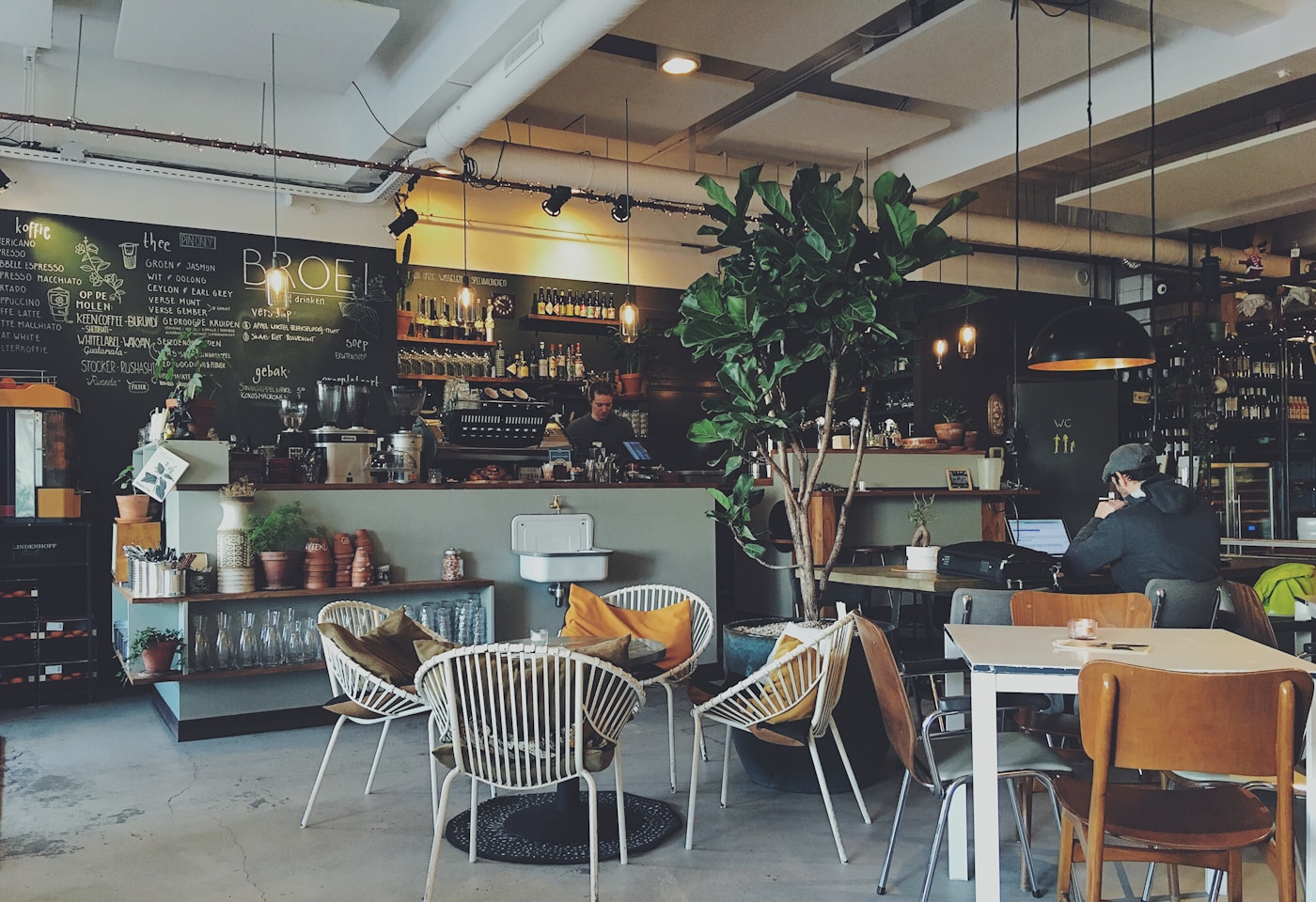
“Kopi, less sweet,” I say. He nods without looking up, which means he heard me the first time. I appreciate that — the absence of repetition, the assumption that you know what you want and he knows how to make it. The cup arrives with a soft clack on the saucer. Steam rises in a thin column that fogs the upper edge of my glasses if I lean in too quickly. I have learned to wait two breaths before the first sip.
The kopi is hot enough to register as a small event in the mouth — bitter, rounded, with that faint caramel note that comes from the sock filter and the condensed milk stirred in before you ask. I hold the cup with both hands though the air conditioning has not yet been switched on. There is a warmth in the porcelain that feels like a hand extended across the table.
Around me the kopitiam fills by degrees. An auntie in house slippers orders soft-boiled eggs and toast without opening the menu. Two men in office shirts share a table but read their phones in parallel, companionship without conversation. A delivery rider pauses at the entrance, checks his phone, leaves without sitting down. The room accepts all of it without comment.
I come here when I need to remember that writing is not the only way to pay attention. Watching the uncle wipe the counter between orders — a single cloth, a single motion — I think about how much of a good day is built from small repetitions done without impatience. The first pour of kopi is not the best pour of the day, perhaps, but it is the one that sets the tone. Everything after follows its temperature.
Sometimes I bring a notebook and write nothing. Sometimes I write one line about the steam. Today I write: less sweet is a kind of trust. The uncle passes again with a coffee pot and I shake my head — still working through the first cup. He moves on. There is no pressure to perform consumption here. The table is yours until someone needs it, and nobody needs it urgently at this hour.
When I leave, the sun has found the awning outside and the pavement holds a strip of brightness I will walk through on the way to the MRT. I carry the taste of kopi on my tongue for another twenty minutes, sometimes longer if I do not eat breakfast at home. It is a small anchor — proof that the day began in a room with other people, with clatter and steam, with an uncle who remembered my order without making a fuss of remembering.
That is enough for a June morning. Not a revelation. A first pour, held properly, and the quiet satisfaction of returning tomorrow to the same seat if it is free.