September evenings arrive with a particular slant of light through the kitchen window — not golden, not dramatic, just tired in the way late afternoon light gets when the year has started spending its heat budget. I stand at the counter and do the first things first, which is a rule I made for myself after too many meals begun in clutter and finished in irritation.
The counter is a narrow strip of laminate between the sink and the stove. It holds the day’s residue: a mug ring, crumbs from toast, the plastic clip from a bag of rice left open since morning. I clear it without listening to music, without a podcast. The silence is part of the ritual. If I fill the room with someone else’s voice I am not really here — I am performing domesticity for an audience of one who is not paying attention.
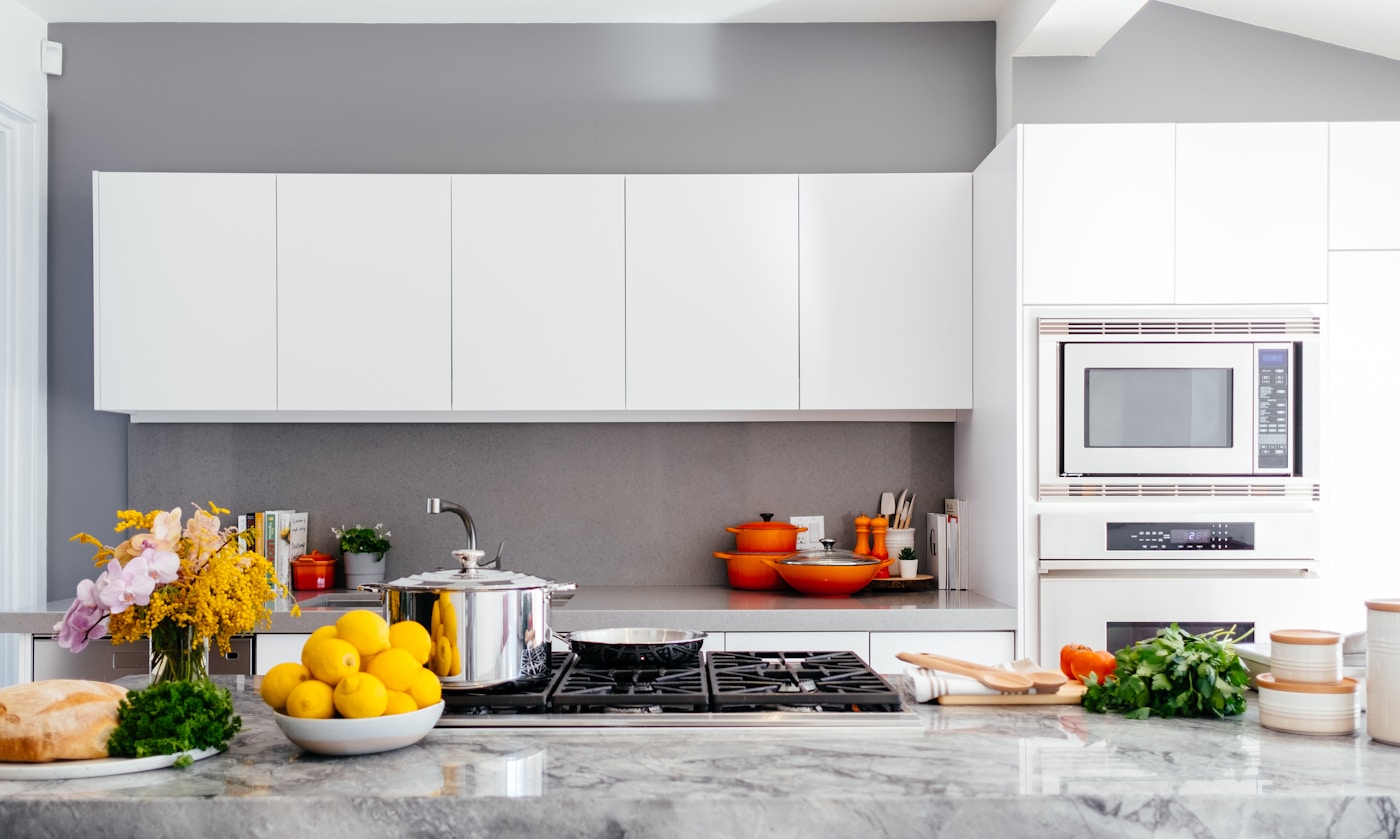
I rinse the rice in a bowl, swilling water until it runs less cloudy. My mother taught me this by doing it beside me without explanation, the way knowledge passes in families — through proximity and repetition rather than instruction. The grain settles with a soft sound that I would miss if I were rushing. Three rinses. Drain. Into the cooker. The measured water line is a kind of honesty: too much and you get mush, too little and you get apology rice. I aim for the line and trust my hand.
While the cooker does its work I wipe the counter again, this time with intention. The cloth is warm from the tap. I move left to right, the same direction every time, which is superstition dressed as method. The surface dries to a faint streakiness that will disappear entirely in ten minutes. For now it looks cared for, and that is the point. A cared-for counter suggests a cared-for evening. The causality may be imaginary. I accept it.
Cooking for one has its own grammar. Portions are smaller, leftovers are negotiated differently, there is no one to praise the meal or ignore it. I used to resent that — the lack of witness. Now I think of the counter as witness enough. It receives the cutting board, the knife, the peelings pushed into a bowl for the bin later. It holds the sequence of actions that turns raw things into something warm.
Tonight it is a simple stir-fry: garlic in oil, vegetables from the fridge arranged by cooking time rather than colour, soy sauce added by smell rather than measurement. The apartment fills with a heat that makes the air conditioner reconsider its settings. I open the window a finger-width and hear the block — a child practising piano three floors up, badly but earnestly; a door closing; the distant lift.
I eat at the counter because the table feels too formal for one plate and one glass of water. The stool wobbles slightly unless I sit forward. I do not fix the stool on weekdays. Some imperfections mark a space as lived-in, and the wobble is one I have stopped noticing until I invite a guest and remember to apologise for it.
After eating I wash the wok immediately, before the sauce sets. This is the second rule. The counter ritual has a postscript: nothing soaked overnight unless unavoidable. I dry the wok and hang it on its hook with a soft clang that means the kitchen is closing for the evening. The rice cooker keeps a portion warm for tomorrow’s lunch. I cover it with a plate and write a note on a sticky tab: rice — do not forget, addressed to myself with the affection of someone who knows his own forgetfulness.
Standing in the quiet kitchen, counter clean, lights low, I feel the day settle the way embers settle when you stop poking them — not extinguished, just no longer demanding attention. September is a month of transitions: school traffic returns, holidays recede, the year begins its slow bend toward year-end without announcing it. My kitchen does not care about any of that. It asks only for the same small order, night after night, and rewards me with twenty minutes of peace I did not know I was missing until I stopped skipping the first step.
Tomorrow I will clear the counter again before anything else. The ritual does not save time. It spends time deliberately, which is a different kind of economy — one measured in breath rather than minutes.